Mia Wagner · 14 September 2026
How Polish Secondary Schools Are Weaving Local Traditions into Project-Based Learning Modules
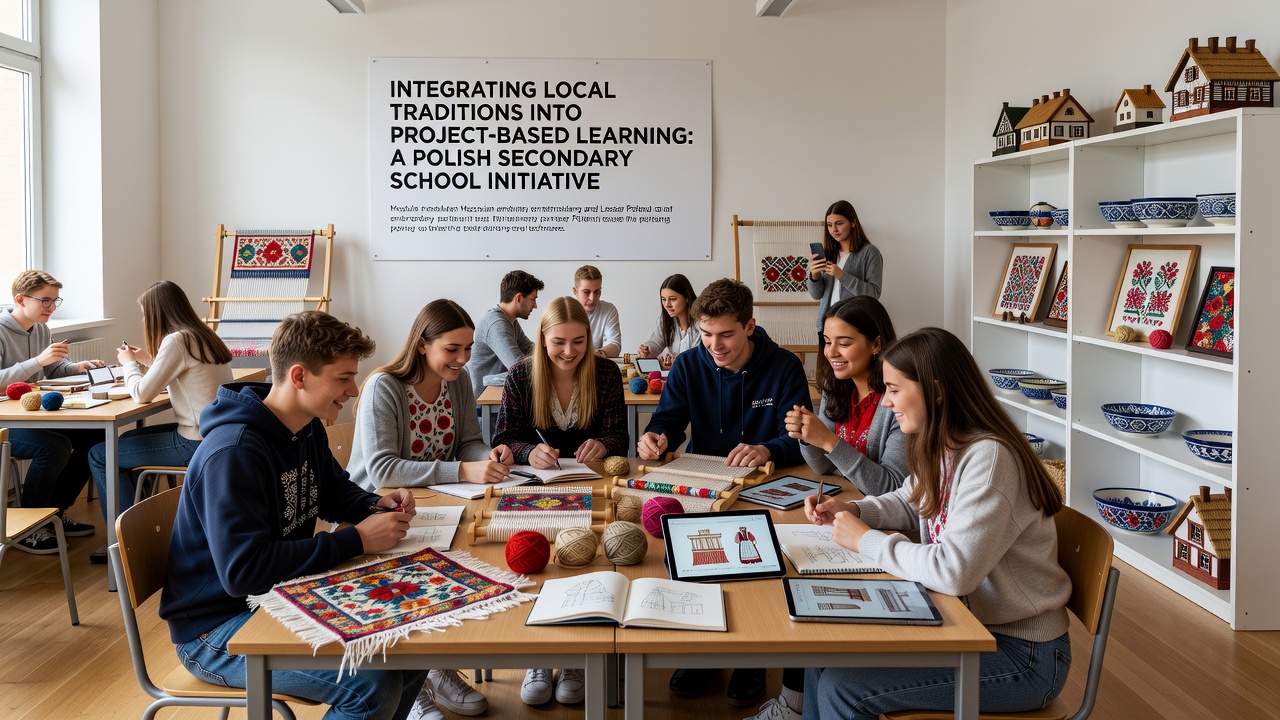
Polish secondary schools have integrated local traditions into project-based learning modules across multiple regions since the mid-2020s, with programs expanding to include elements such as regional folklore, traditional crafts, and historical agricultural practices. These initiatives connect classroom activities with community heritage while aligning with national curriculum standards for history, arts, and sciences. Students in schools near Kraków, for instance, examine 19th-century textile techniques alongside modern material science concepts during extended group projects that span several weeks.
Regional Examples of Curriculum Integration
Schools in the Podlasie region have developed modules that examine local beekeeping traditions through data collection on hive management and environmental factors, and teams compile findings into presentations that compare historical methods with current ecological data. In the Silesian industrial areas, programs focus on mining heritage by combining oral histories from former workers with engineering principles applied to safety equipment design. These projects require students to interview community members, analyze archival documents, and produce multimedia outputs that meet assessment criteria in both humanities and technical subjects.
Observers note that September 2026 marks the rollout of updated national guidelines that encourage broader adoption of such approaches in vocational and general secondary tracks. The Ministry of Education has coordinated with regional cultural centers to supply resource kits containing authentic artifacts and recorded interviews, which teachers adapt for classroom use. Participation rates reached over 40 percent of eligible institutions by the 2025-2026 academic year according to ministry enrollment figures.
Implementation Structures and Teacher Preparation
Project timelines typically last six to ten weeks and incorporate milestones where groups present interim results to local experts or school panels. Assessment rubrics evaluate both the accuracy of cultural content and the application of subject-specific skills, such as statistical analysis in geography projects or narrative structure in literature-based work. Teachers receive training through workshops organized by provincial education authorities that cover facilitation techniques and methods for verifying historical accuracy.
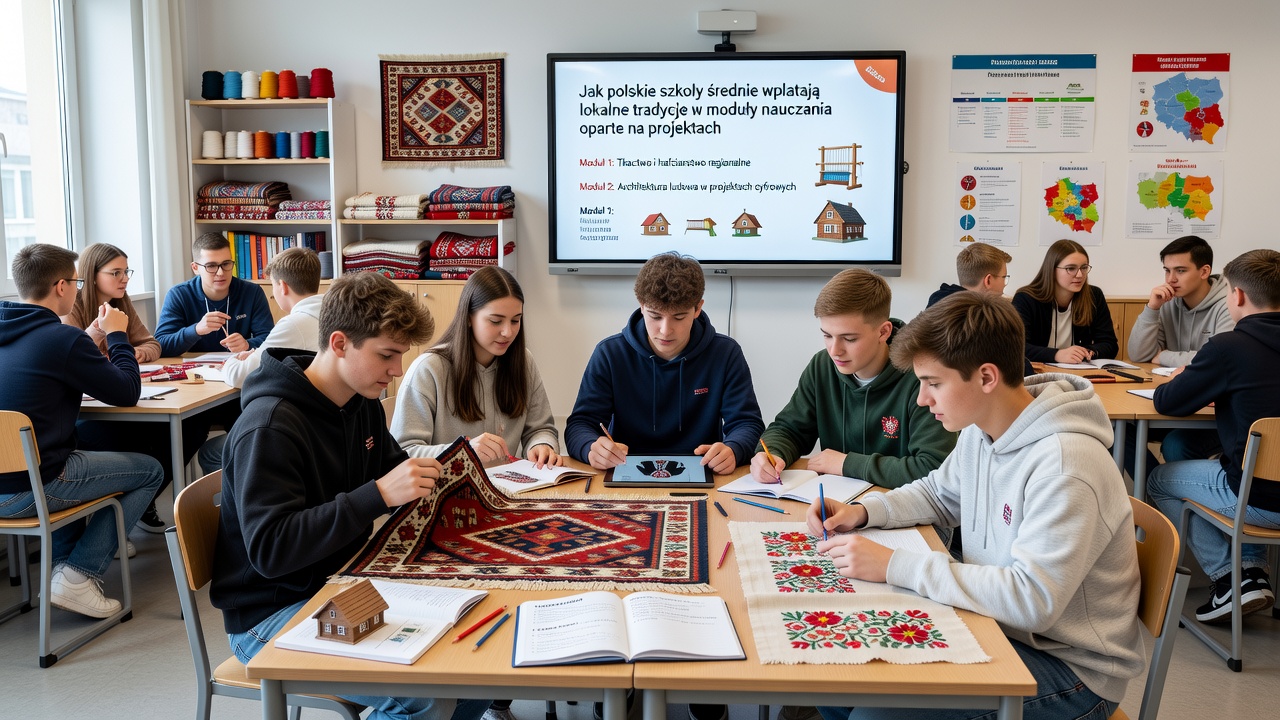
Data from Eurydice indicates that similar heritage-linked projects appear in several European education systems, though the Polish model emphasizes direct community partnerships and measurable cross-curricular outcomes. Schools track participation through digital portfolios that students maintain throughout the module, and these records contribute to final grades in multiple subjects simultaneously.
Outcomes and Measured Results
Reports from participating schools show increased student engagement in subjects tied to local identity, with attendance during project periods rising by an average of 12 percent compared to standard instructional weeks. Research published by the OECD on innovative pedagogies highlights measurable gains in collaborative problem-solving skills among students exposed to culturally grounded projects over multiple semesters. Community partners report stronger connections with younger generations, as documented through follow-up surveys conducted by municipal cultural offices.
Modules in the Małopolska region, for example, combine traditional highland music notation with digital audio production tools, resulting in student-created archives that regional museums have incorporated into public exhibits. In coastal Pomerania, fishing community knowledge informs biology projects on sustainable marine practices, and student reports feed into local environmental monitoring programs maintained by scientific institutes.
Conclusion
Polish secondary schools continue to refine these project-based approaches by incorporating feedback from both educators and community stakeholders. Expansion planned for the 2026-2027 cycle includes additional digital platforms for sharing student outputs across districts while maintaining emphasis on verifiable local sources and curriculum alignment. The pattern of combining heritage content with structured inquiry demonstrates consistent application across diverse geographic and economic settings within the country.