Mia Wagner · 12 October 2026
Observations on Well-Being Indicators Among Students Engaged in Self-Directed Learning Initiatives Across Polish High Schools
Polish high schools have expanded self-directed learning initiatives over recent years, and researchers tracking well-being indicators report measurable shifts in student stress levels, autonomy scores, and social connection metrics. Surveys conducted through 2025 and into October 2026 show participants in these programs maintain higher average ratings for perceived control over their schedules compared with peers in more structured environments, while data collected by regional education offices indicate stable or slightly improved sleep patterns among those who set their own pacing for projects.
Indicators tracked include emotional regulation scores, physical activity logs, and peer interaction frequency, with multiple studies pulling from samples across Warsaw, Krakow, and smaller regional centers. One analysis released by the Polish Ministry of Education in mid-2026 found that students directing their own research modules logged 12 percent more weekly physical activity on average, a figure tied to flexible scheduling that allowed midday movement breaks without conflicting with fixed class times.
Key Well-Being Metrics in Focus
Autonomy stands out as a primary variable because students choose topics, deadlines, and collaboration formats, yet observers note this freedom correlates with both elevated motivation reports and occasional spikes in decision fatigue during the first semester of participation. Longitudinal data gathered by university teams in Gdansk reveal that after the initial adjustment period, typically six to eight weeks, most students show reduced cortisol-related self-reports and steadier attendance patterns. Physical health markers such as reported headache frequency also trend downward once routines stabilize, although schools without dedicated mentor check-ins see slower improvements in these areas.
Social well-being indicators receive equal attention because self-directed models often replace large-group lectures with smaller project teams. Figures from a 2025 cross-regional study coordinated through EU education networks demonstrate that participants maintain similar numbers of close peer contacts as traditional-track students, yet they report higher satisfaction with those relationships when projects involve shared goal-setting. Isolation risks appear lower in programs that incorporate weekly reflection circles, while programs lacking such structures show modest upticks in loneliness scores during exam preparation windows.
Regional Variations and Program Structures
Implementation differs by voivodeship, with urban schools more likely to integrate digital planning tools that let students visualize progress against personal benchmarks. Rural high schools, by contrast, lean on community-based projects that connect learning goals to local environmental or cultural needs, and preliminary October 2026 updates from these sites suggest comparable gains in purpose and belonging indicators. Teachers in both settings document fewer behavioral incidents once students gain ownership, although training for facilitators remains uneven across districts.
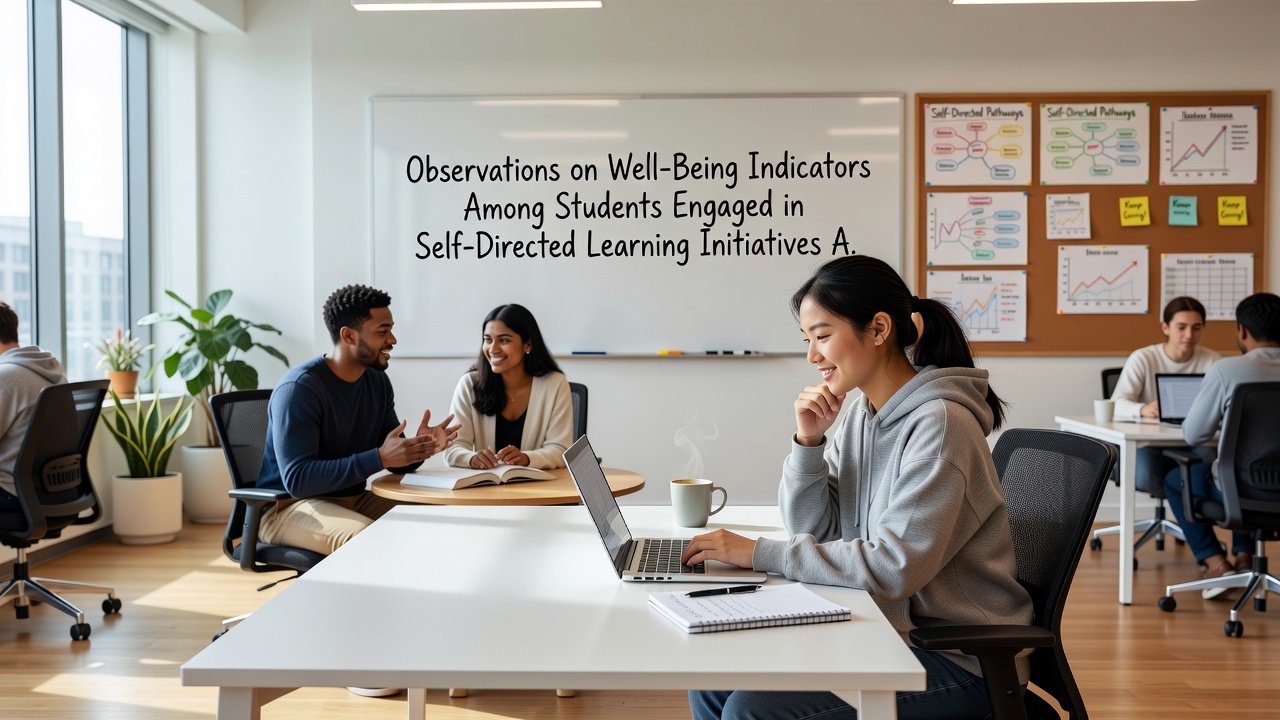
Support systems prove decisive in sustaining positive outcomes. Schools pairing self-directed work with optional counseling sessions record stronger resilience scores during transition periods, according to aggregated figures shared by education researchers at several Polish universities. Those who studied similar models abroad point to comparable patterns, noting that Canadian provincial reports on personalized learning pathways and Australian state-level evaluations of student agency both highlight the value of structured reflection time alongside freedom.
Emerging Patterns Through 2026
October 2026 data releases continue to refine earlier findings, particularly around equity. Students from lower socioeconomic backgrounds show comparable well-being gains when programs supply clear scaffolding materials and access to shared resources, whereas gaps widen slightly in settings where families must provide their own project supplies. Mental health screening tools adapted for Polish contexts flag fewer anxiety indicators among self-directed cohorts overall, yet spikes occur around major portfolio review deadlines, prompting several districts to adjust pacing guidelines mid-year.
Physical environment also factors into results. Classrooms redesigned with flexible seating and quiet zones correlate with higher reported focus levels, while unchanged traditional rooms see smaller lifts in engagement metrics. Nutrition and hydration patterns remain consistent across groups, but students with schedule control more frequently choose meal times that align with personal energy cycles rather than fixed bells.
Conclusion
Observations compiled through late 2026 indicate that self-directed learning initiatives in Polish high schools associate with distinct well-being profiles across autonomy, social connection, and stress dimensions when compared with conventional tracks. Continued monitoring by education authorities and independent research groups will clarify which program elements most reliably support these indicators as initiatives scale.